
Why Turmeric? The Ancient Ingredient That's Taking Over Modern Skincare
Walk into any skincare store right now. Look at the ingredient lists. Turmeric is everywhere.
It's in soaps. It's in serums. It's in masks and toners and oils. Five years ago, turmeric was basically a cooking spice with a health food trend attached. Today, it's a legitimate skincare ingredient that dermatologists are talking about and beauty brands are racing to incorporate.
So what changed? Did someone suddenly discover that turmeric makes skin beautiful? Not exactly. What happened is that skincare science finally caught up with what traditional medicine has known for literally thousands of years. And consumers stopped waiting for perfect synthetic ingredients and started asking for the real thing.
Let's talk about what turmeric actually is, why it's special, why everyone's using it now, and why it matters for your skin.
What Is Turmeric, Actually?
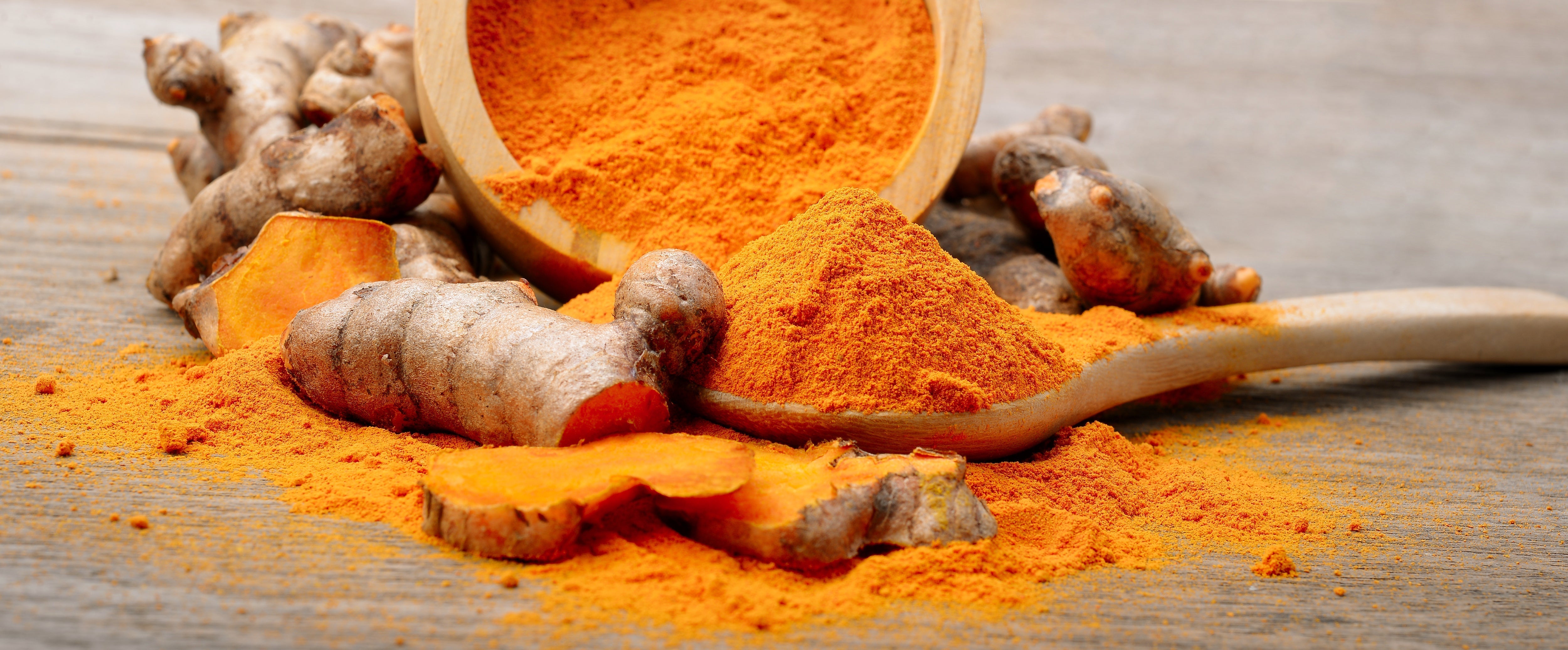
Turmeric isn't a skincare innovation. It's not a new molecule created in a lab. It's a plant. Specifically, it's the rhizome (the underground stem) of Curcuma longa, a flowering plant native to Southeast Asia, particularly India.
You probably know turmeric as the golden spice in curry powder. The one that stains your fingers and your white shirt if you're not careful. That's because turmeric is absolutely loaded with pigment, particularly a compound called curcumin.
For centuries, turmeric was used in traditional Indian medicine (Ayurveda) and Chinese medicine. People weren't using it just as a seasoning. They were using it as medicine. They were applying it to wounds. They were using it to treat inflammation. They were consuming it to support overall health.
The thing is, traditional medicine had access to maybe 20% of the global population. Most of the Western world had no idea that turmeric was this powerful. It was just an exotic spice you found in specialty sections of stores.
But starting in the early 2000s, research into turmeric's medicinal properties started exploding. Scientists wanted to understand why this plant had been used for so long across so many cultures. What were the mechanisms? What was actually happening at a cellular level?
And what they found was: turmeric legitimately works. Not as a magic cure-all (that part was hype), but as a genuinely effective ingredient with multiple measurable benefits.
The Science: What Makes Turmeric Special
The active compound in turmeric is called curcumin. It's one of a group of compounds called curcuminoids, but curcumin is the main player.
At a cellular level, curcumin does several things simultaneously:
1. It's anti-inflammatory.
Inflammation is your body's immune response to stress or damage. In small amounts, inflammation is helpful. But chronic inflammation is destructive. It damages cells. It accelerates aging. It causes skin problems.
Curcumin interrupts inflammatory pathways. It blocks specific signaling molecules that tell your body to keep being inflamed. Research shows it reduces inflammation markers like TNF-α and IL-6. What that means in plain language: it tells your skin to calm down.
2. It's a powerful antioxidant.
Free radicals are unstable molecules created by UV exposure, pollution, stress, and just normal cellular processes. These molecules damage healthy cells. They break down collagen. They cause premature aging and discoloration.
Curcumin neutralizes free radicals before they can cause damage. It's one of the most potent antioxidants available, which is why turmeric shows up in skincare specifically for anti-aging and protection.
3. It has antimicrobial properties.
Curcumin can inhibit the growth of certain bacteria and fungi. This is why turmeric has traditionally been used for wound healing and skin infections. Modern research confirms this effect. It's not a replacement for antibiotics, but it's a legitimate antimicrobial agent.
4. It supports wound healing.
Multiple studies show that curcumin accelerates wound healing. It reduces inflammation, which clears the way for the healing process. It promotes collagen deposition and increases fibroblast density (the cells responsible for creating new skin).
The interesting part is that curcumin does all of this at once. It's not a one-trick ingredient. It's addressing multiple aspects of skin health simultaneously. That's why it shows up in research for conditions as diverse as psoriasis, atopic dermatitis, acne, wound healing, and hyperpigmentation.
Where This Trend Is Coming From
Three things are happening simultaneously:
1. Research validation.
Between 2015 and 2024, the number of peer-reviewed studies on curcumin and skin health exploded. A 2024 systematic review in dermatology journals looked at randomized controlled trials on turmeric for various skin conditions. The evidence is solid. Not "this might work" – solid evidence that it works.
When skincare brands see research backing, they act. They formulate. They market. The research gave them permission to invest.
2. Consumer demand for natural ingredients.
There's a massive shift happening in beauty. People are tired of skincare that's all synthetic actives and ingredients they can't pronounce. They want ingredients with history. With tradition. With proof that humans have been safely using them for centuries.
Turmeric checks all those boxes. It's been used for thousands of years. It's natural. It's from a plant, not a lab. And now it has modern science backing it up.
3. The "superfood" trend extends to skincare.
If turmeric is a superfood for eating, why not a superfood for skincare? Brands started marketing ingredients as superfoods – nutrient-dense, powerful, time-tested. Turmeric is the perfect ingredient for this positioning. It genuinely is nutrient-dense. It genuinely does work.
Why Now? Why This Momentum?
Turmeric didn't suddenly become more effective. The science didn't change dramatically. What changed is:
- The research became undeniable
- The absorption challenge got solved
- Consumers started demanding natural ingredients
- Brands realized there was a massive opportunity in positioning traditional ingredients as modern skincare
Look at the broader skincare industry. Retinol is making a comeback (traditional, not new). Niacinamide is everywhere (traditional, now mainstream). Hyaluronic acid was considered boring, now it's essential (traditional ingredient, newly relevant). The industry is rediscovering that sometimes the best ingredients aren't the newest ones. They're the ones that have been proven to work over centuries.
Turmeric is part of this larger trend toward ingredient authenticity.

How Turmeric Compares to Other Anti-Inflammatory Ingredients
There are other anti-inflammatory skincare ingredients. So why turmeric specifically?
vs. Niacinamide: Niacinamide is also anti-inflammatory. Both work well. But niacinamide is synthetic. Turmeric is natural. Different positioning, different benefits.
vs. Centella Asiatica: Centella is another traditional ingredient with strong anti-inflammatory properties. Both are excellent. Turmeric has additional antioxidant power and more research backing it.
vs. Allantoin: Allantoin soothes skin. It's effective. But it's synthetic and doesn't have the multi-mechanism approach that curcumin has.
vs. Oat extract: Oat is gentle and soothing. But it doesn't have the potency or the antioxidant power of turmeric.
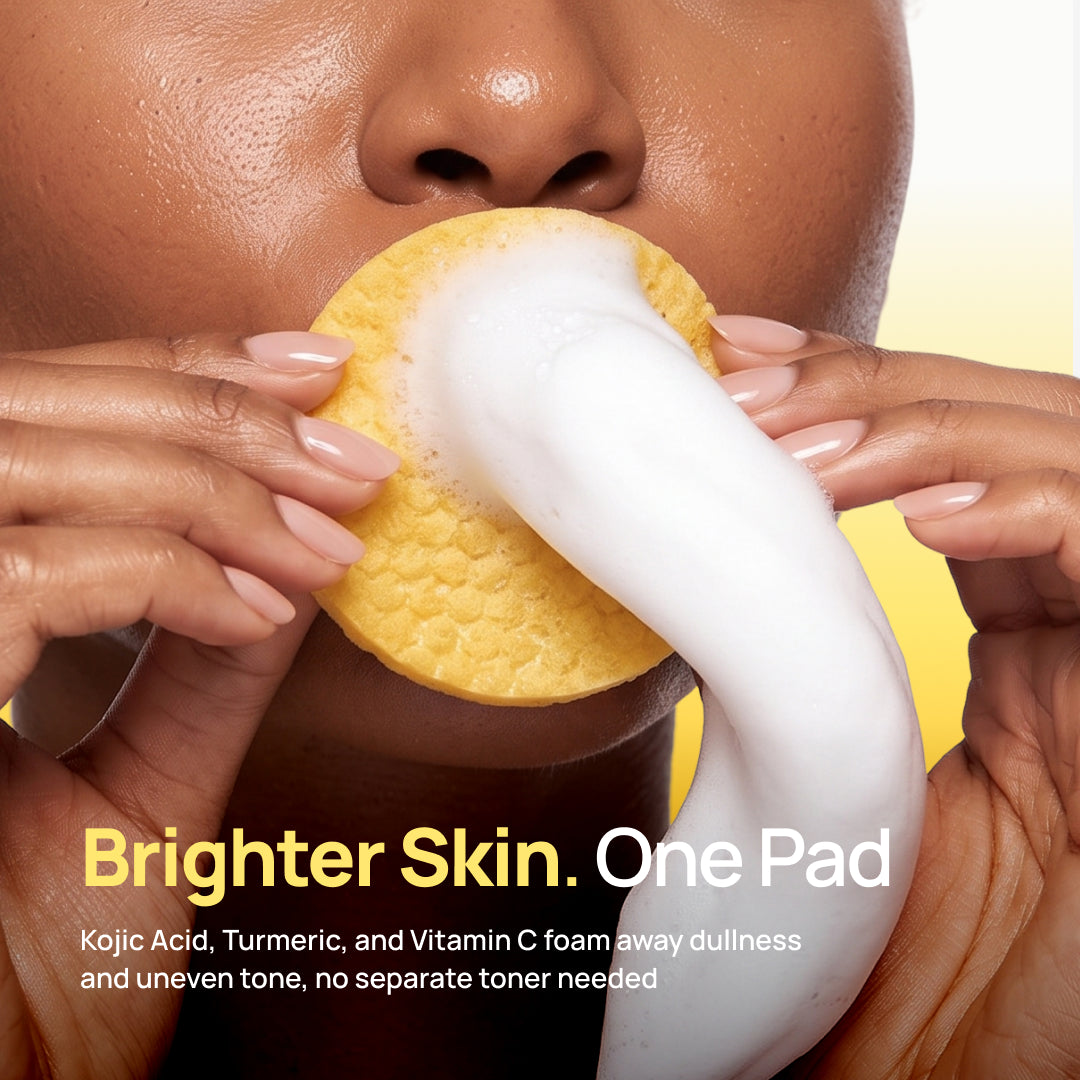
Turmeric isn't better than everything else. But it's unique in its combination of anti-inflammatory, antioxidant, antimicrobial, and wound-healing properties. It's one of the few ingredients that addresses multiple skin concerns simultaneously. This is why you're seeing turmeric in everything from cleansing soaps to targeted treatment pads – brands are recognizing that one ingredient can do real work across multiple skin goals.
Plus, it comes with thousands of years of human use data. No adverse effects after centuries of application. That's a level of safety testing that synthetic ingredients can't match.
The Future: Why This Trend Matters
The turmeric trend signals something bigger happening in skincare. The industry is moving away from "newest = best" and toward "proven = best."
We're seeing skincare become more sophisticated, not in terms of synthetic complexity, but in terms of understanding ancient wisdom. Brands are diving into traditional medicine archives looking for ingredients that have been validated by time and culture.
Turmeric is just the beginning. You're going to see more traditional ingredients elevated and repositioned as modern skincare. Gotu kola. Ashwagandha. Various traditional herbs and roots.
The interesting thing is that these ingredients aren't new discoveries. They're old knowledge finally getting the modern research backing and marketing attention they deserve.

Why You Should Care
From a consumer perspective, this matters because:
It works. Turmeric isn't trending because of marketing hype. It's trending because research shows it actually does what people say it does.
It's safe. Thousands of years of use is more safety data than most synthetic ingredients have. Topical turmeric is well-tolerated across skin types.
It makes sense. Using an ingredient that has been proven effective over centuries, backed by modern science, makes more sense than chasing every new synthetic compound that comes out.
It fits a larger philosophy. If you're interested in skincare that's effective, safe, and grounded in real science (both traditional and modern), turmeric is exactly the kind of ingredient you should be looking for.
The turmeric trend isn't a fad. It's the skincare industry finally recognizing what traditional medicine knew all along: sometimes the best ingredients are the ones that have stood the test of time. Whether you're introducing turmeric through a brightening soap, a targeted clay mask, or other formulations, the core benefit is the same: you're using an ingredient backed by thousands of years of tradition and modern science.
Read more

You've got a skincare routine for your face. You know it by heart. Cleanser, toner, serum, moisturizer. Maybe a mask on weekends. Maybe a targeted treatment for problem areas. Your face gets the fu...
You bought cleansing pads. You've been using them for a few weeks. Your face is clean. You're not complaining. But you're also not... amazed. Your skin is clean. It's fine. But it's not glowing. It...