

Body Brightening 101: Why Your Face Isn't the Only Skin That Matters
You've got a skincare routine for your face. You know it by heart. Cleanser, toner, serum, moisturizer. Maybe a mask on weekends. Maybe a targeted treatment for problem areas. Your face gets the full spa treatment.
But what about the skin on your body? Your neck. Your chest. Your underarms. Your inner thighs. The places nobody talks about at skincare counters but everyone sees in real life.
Here's the thing: the skin on your body isn't fundamentally different from your face. It still gets sun damage. It still develops dark spots. It still gets discolored from friction, hormones, and irritation. But unlike your face, it usually gets exactly zero skincare attention.
And then one day you realize your neck is noticeably darker than your face. Or you notice the skin under your arms is blotchy. Or you see hyperpigmentation in places you didn't even know you could get hyperpigmentation. And suddenly you're thinking, "Well, this is new."
It's not new. You just finally noticed it.
The Body Skin Problem Nobody Talks About
Your body skin is actually thicker than your facial skin, which sounds like good news. It's more resilient. It's less sensitive.
But there's a flip side: your body skin also has a harder time regulating itself. It can accumulate dead skin cells more easily. It's more prone to irritation from friction (clothes, shaving, sweating). And because most people don't moisturize their body skin the way they do their face, it often gets dry, dull, and generally neglected.
Add sun exposure to the mix, and you've got a recipe for discoloration.
Common body areas that develop dark spots or uneven tone:
Underarms: This is probably the most common complaint. The skin here is thin and sensitive, making it prone to darkening from friction, deodorant irritation, or shaving. Many people develop noticeably darker underarms compared to the surrounding arm skin.
Inner thighs: This area gets friction from clothes and sweating, which can trigger melanin production and create dark patches. It's especially noticeable in summer when you wear shorts or a swimsuit.
Neck and chest: These areas get a ton of sun exposure (people usually remember to sunscreen their face but forget their neck and chest). They also get friction from clothing, bra straps, and necklaces. The result is often uneven tone that's darker than your face.
Elbows and knees: These high-friction areas naturally accumulate dead skin, which makes them look darker and more textured. Add sun damage, and the discoloration gets worse.
Lower back and shoulders: Sun-exposed areas that often get neglected in skincare routines.
The common denominator? These areas get attention (sun, friction, sweat) but not the right kind of attention (skincare, hydration, treatment).
Why Body Brightening Matters More Than You Think
You might be thinking: "It's just my body. Nobody looks that closely."
And you're probably right. Most people won't notice or won't care. But you notice. And that matters.
Confidence isn't about being perfect. It's about feeling comfortable in your own skin, literally and figuratively. When you're self-conscious about discoloration on visible body areas, it affects how you dress, how you move, how you feel. You wear longer sleeves in summer. You skip the shorts. You avoid sleeveless dresses. You're making fashion choices based on hiding skin instead of dressing the way you actually want to.
That's the real issue with body discoloration. It's not a health problem. It's a confidence problem. And confidence affects your quality of life.
Beyond the confidence piece, there's also the practical reality: your body skin deserves the same care as your face. It's all skin. It all needs hydration, protection, and treatment. The fact that your face gets all the attention while your body gets ignored is kind of arbitrary.
The Body Brightening Solution
So what do you actually do about it?
The same things you do for your face, basically. But adapted for body skin.
Step 1: Use a brightening cleanser.
This is where most body brightening routines start (and where many people stop). A brightening cleanser that contains ingredients like kojic acid or vitamin C cleans your skin while delivering brightening actives. You use it twice a day, just like you use your facial cleanser. It's gentle enough for daily use and it's genuinely effective.
The beauty of a brightening soap or body cleanser is that it requires zero extra effort. You're going to wash your body anyway. Why not use a product that's also treating your discoloration?
Step 2: Sunscreen, sunscreen, sunscreen.
This is non-negotiable if you want to actually see improvement. Dark spots happen because of sun damage. If you keep getting sun exposure without protection, the spots will keep getting worse no matter what you're using.
Use an SPF 30+ on your body during the day, especially on areas with existing discoloration. Yes, even in winter. Yes, even when it's cloudy. Sun damage happens year-round.
Step 3: Moisturize regularly.
Body skin that's hydrated responds better to brightening ingredients. Plus, hydrated skin is healthier skin, which means it can shed dead cells more efficiently.
Use a good body lotion or oil after showering. Focus on the areas you're trying to brighten. It doesn't have to be a fancy product – a basic moisturizer does the job. The important part is consistency.
Step 4: Be patient.
Just like with facial dark spots, body brightening takes time. You'll start seeing results around 6-8 weeks with consistent use. By 12 weeks, you should see noticeable improvement. By 6 months, the discoloration should be significantly lighter.
The timeline is longer on body skin because it has a slower cell turnover rate than facial skin. But it does work.

The Advantage of Using a Brightening Soap
Here's why a brightening soap specifically is genius for body brightening:
It's part of your daily routine. You shower every day (or most days). You're going to use soap. So you're automatically using the brightening ingredient twice a day without having to remember. Consistency is built in.
It's affordable. You can't use a $60 serum on your entire body. But a $12-15 brightening soap? That's accessible. You can actually afford to use it regularly without thinking about the cost.
It's gentle. Because soap is a mild delivery method, you can use it long-term without irritation. You're not over-treating your skin. You're just supporting your body's natural ability to shed dead cells and reduce melanin production.
It treats multiple areas at once. One product is cleansing and brightening your entire body. Your underarms, your neck, your chest, your thighs – all getting treated with the same beneficial ingredients.
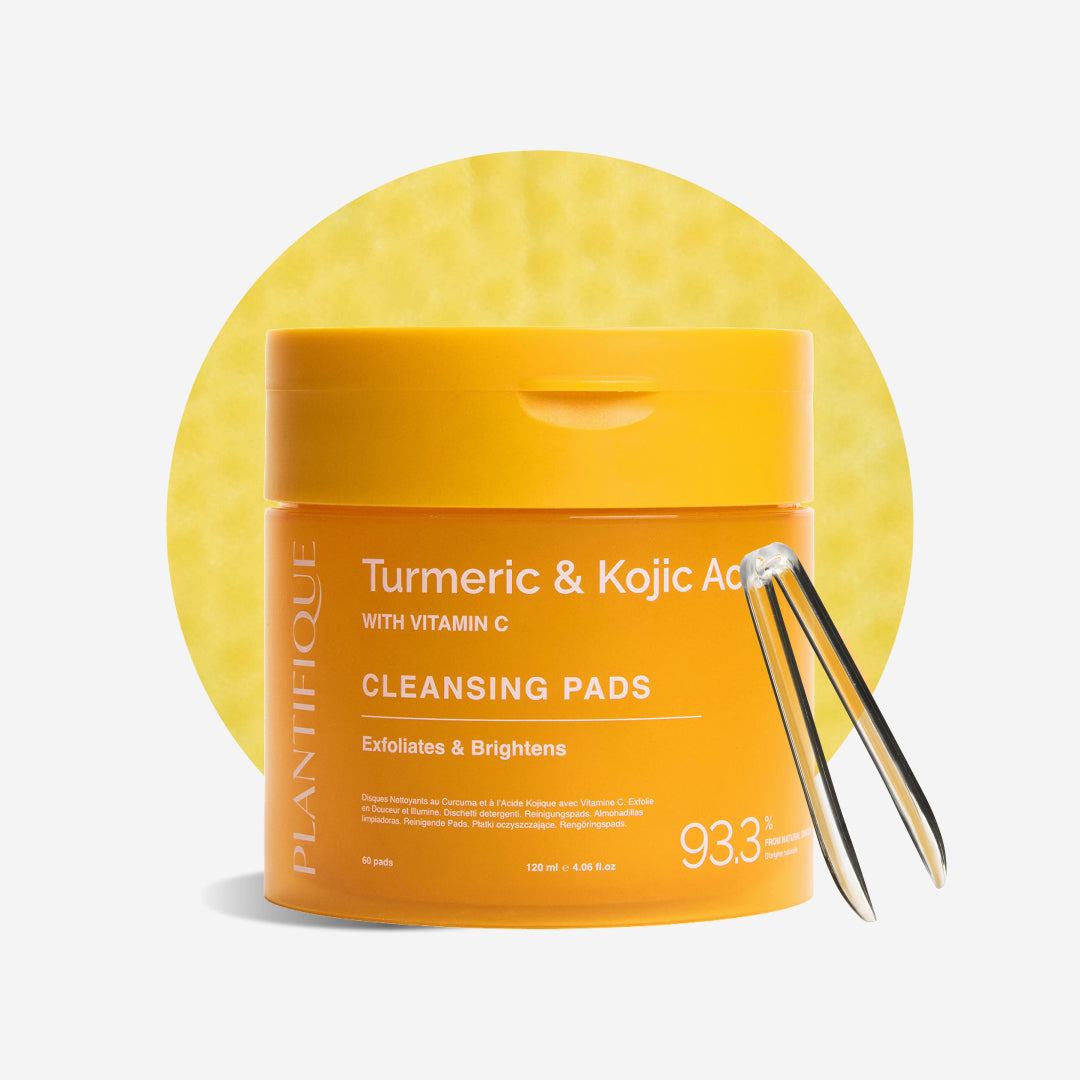
The Kojic Acid & Turmeric Brightening Soap combines kojic acid (which targets melanin production) with turmeric (which is anti-inflammatory and soothing) and vitamin C (additional brightening power). So while you're using it for the brightening action, you're also nourishing your skin with ingredients that support overall health.
Setting Real Expectations
Here's what body brightening will and won't do:
It will:
- Gradually fade dark spots and uneven tone with consistent use
- Keep your body skin healthy and hydrated
- Improve the overall appearance of your skin texture
- Build results over time (6-12 weeks for noticeable improvement)
It won't:
- Eliminate discoloration in two weeks
- Work if you're still getting sun exposure without protection
- Fix severe discoloration that might need professional treatment
- Turn your underarms the exact same color as your upper arm (because those areas have naturally different melanin production)
The goal isn't perfection. It's improvement. It's making your skin look healthier and more even-toned. It's feeling more confident in your own skin.

Why You Should Actually Do This
Look, skincare for your body is often positioned as optional. Like it's a luxury thing you do when you have extra money and extra time.
But it's not. Your body skin is skin. It deserves care and attention. Not because you need to look perfect, but because you deserve to feel comfortable in your own body.
If you've been self-conscious about discoloration on your underarms, your neck, your inner thighs – any of those visible-but-ignored body parts – then body brightening is worth trying. It's simple. It's affordable. And it actually works.
The only requirement is consistency. Use the product regularly. Wear sunscreen. Moisturize. Give it time. That's it.
You've spent years (maybe decades) using skincare on your face. Your body is probably ready for the same level of care. And honestly? It's going to feel good to finally stop hiding and start feeling confident in the skin you're in.
Read more

You notice it in the mirror. A spot darker than the rest of your skin. Maybe it's on your cheek. Maybe it's on your nose. Maybe it's a cluster of them, scattered across your face like a map of sun ...

Walk into any skincare store right now. Look at the ingredient lists. Turmeric is everywhere. It's in soaps. It's in serums. It's in masks and toners and oils. Five years ago, turmeric was basicall...