
Foot Peel Mask vs. Hydrating Foot Mask: When to Use Each One
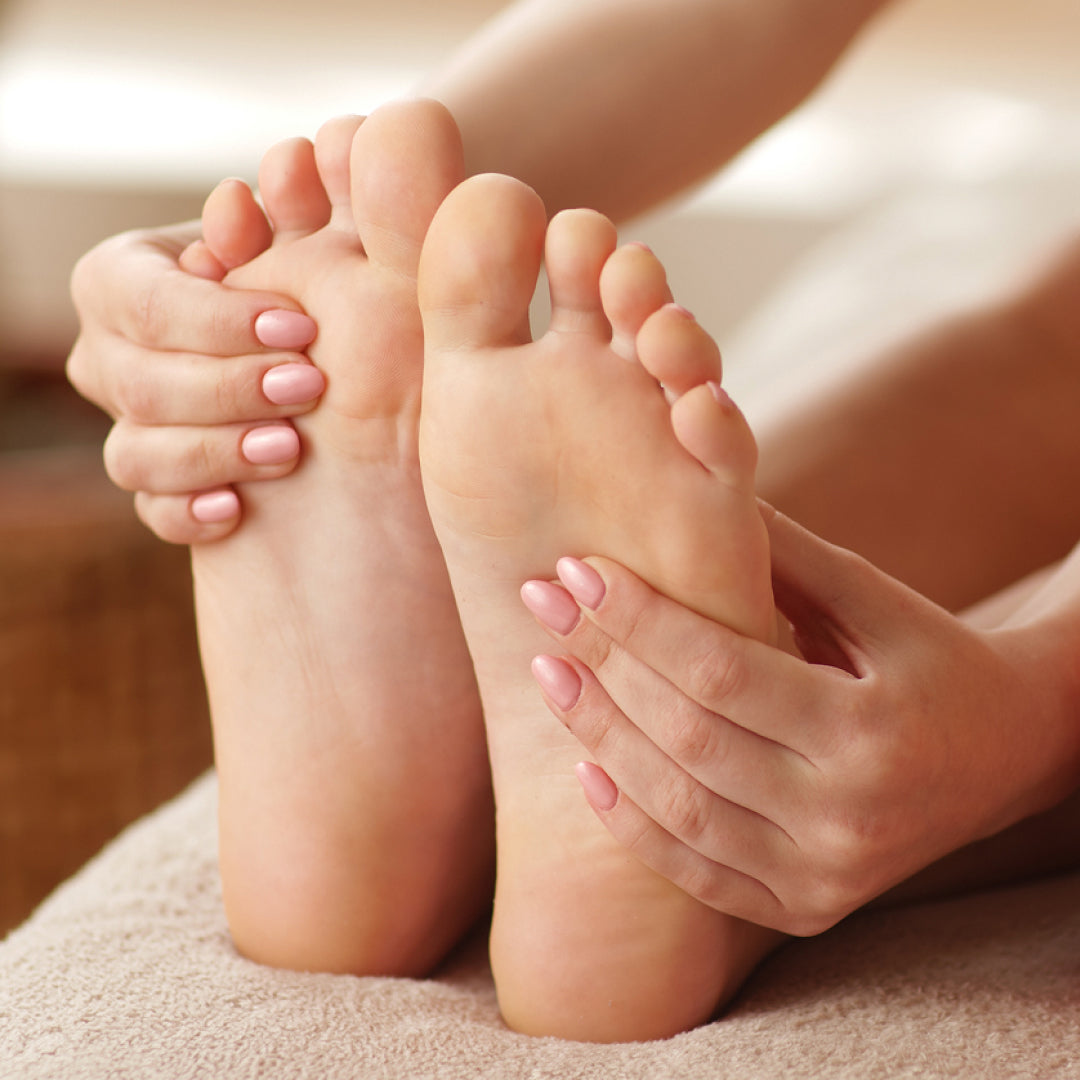
You're standing in front of two different foot masks, both promising softer, healthier-looking feet. One is a bootie soaked in exfoliating acids. The other is soaked in moisturizing serum. They look similar, they're both for your feet, and it's genuinely confusing to know which one you actually need.
Here's the truth: they're not interchangeable, and using the wrong one for your specific problem means you won't get the results you're hoping for. One removes buildup. The other replenishes moisture. Understanding the difference means you'll actually get soft, healthy feet instead of guessing and hoping for the best.
Let's break down exactly when to reach for each one.

What a Foot Peel Mask Actually Does
A foot peel mask is a chemical exfoliation treatment. It's soaked in a blend of acids like glycolic acid, lactic acid, and sometimes salicylic acid. These acids work by breaking down the bonds between dead skin cells, which causes your skin to naturally shed over the following days.
You wear the bootie for about 60 to 90 minutes, rinse it off, and then wait. Nothing visible happens for 3 to 5 days. Then the peeling starts, and over the following week or two, layers of dead, thickened skin shed away, revealing softer skin underneath.
This is a treatment for removing buildup, not adding moisture. It's designed to solve problems like:
- Thick calluses
- Rough, cracked heels
- Built-up dead skin from months of neglect
- Rough texture from wearing closed shoes all winter
- General thickened skin that regular lotion can't soften

What a Hydrating Foot Mask Actually Does
A hydrating foot mask works completely differently. It's soaked in a moisture-rich serum, usually with ingredients like hyaluronic acid, shea butter, plant oils, and humectants. You wear it for 20 to 30 minutes, and there's no peeling, no waiting, no chemical exfoliation happening.
Instead, the mask delivers concentrated hydration directly into your skin. The results are immediate: your feet feel noticeably softer right after you take it off.
This is a treatment for replenishing moisture, not removing buildup. It's designed to solve problems like:
- Tight, dry-feeling skin
- Dehydration after a long day on your feet
- General dryness that isn't severe enough for exfoliation
- Maintenance between peel treatments
- A relaxing self-care ritual with immediate results
The Key Difference: Removing vs. Replenishing
Think of it this way: a foot peel mask takes something away (dead, built-up skin). A hydrating foot mask adds something in (moisture).
If your feet have visible calluses, cracked heels, or skin so thick that lotion just sits on top without absorbing, you have a buildup problem. No amount of moisture is going to fix that because the dead skin layer is blocking absorption. You need the peel mask to remove that barrier first.
If your feet feel generally dry, tight, or uncomfortable but don't have serious texture issues, you have a hydration problem. Exfoliating won't fix dryness, it will only remove skin that didn't need removing. You need the hydrating mask to replenish what's missing.
When to Use a Foot Peel Mask
Reach for a foot peel mask if:
You have visible calluses or rough patches. If you can see or feel thickened skin, especially on your heels or the balls of your feet, this is exactly what a peel mask is designed to address.
Your heels are cracked or flaking. Deep dryness that has progressed to cracking needs to be addressed at the buildup level, not just moisturized on top.
Regular lotion doesn't seem to help anymore. If you've been moisturizing consistently and your feet still feel rough, the dead skin layer is likely too thick for moisture to penetrate properly. A peel resets this.
You're prepping for sandal season. A peel mask used a few weeks before you want soft, presentable feet gives your skin time to fully shed and reveal the smoother layer underneath.
It's been months since you've done any foot treatment. If your feet have been neglected through boot season or a busy period, buildup has likely accumulated. Start with a peel to reset.
Frequency: Once every 2-3 months is typically enough. This isn't a weekly treatment.
When to Use a Hydrating Foot Mask
Reach for a hydrating foot mask if:
Your feet feel tight after a shower. This is a classic sign of dehydration, not buildup. A hydrating mask replenishes what hot water and daily life strip away.
You've been on your feet all day. Long days of standing or walking leave your feet stressed and dehydrated. A hydrating mask is a fast way to restore comfort.
You want visible, immediate softness. Unlike a peel mask, which takes over a week to show results, a hydrating mask delivers noticeably softer feet the moment you take it off.
You just finished a peel treatment. After your skin has shed from a peel, it needs replenishment. A hydrating mask is the perfect follow-up to lock in that fresh, new skin.
You want a relaxing, no-mess ritual. No waiting days for peeling, no worrying about visible flaking in the meantime. Just apply, relax, remove, and enjoy softer feet.
Frequency: Once or twice a week works well, since hydrating masks don't have the intensive effect that peel masks do.
Can You Use Both? Yes, and Here's How
The smartest approach isn't choosing one over the other permanently. It's using both strategically, in the right order, for the right reasons.
The ideal combination:
- Start with a peel mask if your feet have any buildup, calluses, or rough texture. This clears away what's blocking moisture absorption.
- Wait for the peeling to fully complete (usually 1-2 weeks).
- Follow up with a hydrating mask once the peeling has finished. This locks in moisture and keeps your newly revealed skin soft.
- Maintain with the hydrating mask weekly or biweekly going forward.
- Repeat the peel mask every 2-3 months as buildup naturally reaccumulates.
This combination gives you the best of both: the deep reset from the peel, plus ongoing softness from regular hydration. Using only one or the other means you're either constantly moisturizing over buildup that never gets removed, or constantly stripping away skin without ever replenishing it.

A Quick Decision Guide
Look at your heels. Can you see or feel rough, thick, or cracked skin? → Start with a foot peel mask.
Do your feet feel tight, dry, or uncomfortable, but the texture looks fairly smooth? → Reach for a hydrating foot mask.
Have you never done either before and aren't sure? → Start with the peel mask to clear any built-up buildup you might not have noticed, then transition to hydrating masks for maintenance.
Just finished a peel and the flaking has stopped? → Time for the hydrating mask to lock in that fresh skin.
The Bottom Line
A foot peel mask and a hydrating foot mask solve two different problems. One removes buildup through chemical exfoliation. The other replenishes moisture immediately. Neither is better than the other, they're just designed for different needs.
If your feet have visible roughness or calluses, start with the peel. If your feet are generally dry but not textured, go straight for hydration. And if you want the best long-term results, use both: peel periodically to reset, hydrate regularly to maintain.
Ready to start? If you're dealing with rough, calloused feet, try the Peach Foot Peeling Mask for a deep reset. If your feet just need a moisture boost, the Hydrating Foot Mask delivers immediate softness. For the full routine, use both in sequence for feet that stay consistently soft year-round.
Read more
You've heard about mud masks. You've probably even seen photos of people with dark, earthy-looking paste all over their face looking like they're having some kind of spa moment. And yes, it does lo...
You wash your face every morning and every night. Then you probably reach for whatever towel happens to be closest, the same one you use for your hands, or worse, the same one that's been hanging i...