
Volcano Mud Mask: 5 Things to Know Before Using One
You've heard about mud masks. You've probably even seen photos of people with dark, earthy-looking paste all over their face looking like they're having some kind of spa moment. And yes, it does look kind of fun. But if you've never used a volcanic mud mask before, there are some things you should know before you slap it on your face.
A volcanic mud mask isn't the same as a clay mask. It's not the same as a regular sheet mask. It's its own thing with its own benefits and its own potential pitfalls. If you use it the right way, your skin will look noticeably clearer and feel softer. If you use it wrong, you might end up with irritated, tight, uncomfortable skin instead.
Here are the 5 things you need to know before you use a volcanic mud mask for the first time.

Thing #1: It's Designed for Oily or Acne-Prone Skin, Not Dry Skin
This is the number one thing people get wrong. They see a mud mask marketed as "purifying" and assume everyone should use it. That's not quite right.
Volcanic mud is mineral-rich and has natural antibacterial and anti-inflammatory properties. It's excellent at drawing out excess oil, unclogging pores, and reducing breakouts. It's basically ideal if your skin tends to be oily, combination, or acne-prone.
But if your skin is already dry or sensitive, a volcanic mud mask can actually make things worse. The mask is designed to draw impurities and oil out of your skin. If there's not much excess oil to draw out, it might just be drawing out moisture instead, leaving your skin feeling tight and uncomfortable.
This doesn't mean dry skin types can never use it, but they should be more cautious. Limit it to once every two weeks instead of weekly, and definitely follow up with a good moisturizer afterward.

Thing #2: 10 to 15 Minutes Is the Sweet Spot (Not Longer)
Here's another common mistake: leaving the mask on way too long thinking it will work better.
The optimal wear time for a volcanic mud mask is 10 to 15 minutes. This gives the mask time to draw out impurities without overdoing the drying effect. At 15 minutes, the mask is usually visibly drying but not completely cracked or pulling painfully at your skin.
If you leave it on for 20, 30, or 45 minutes, you're not getting better results. You're just making your skin drier and more irritated. The mask has already done its job in 10-15 minutes. Leaving it on longer won't deepen the cleansing, it will just over-extract moisture from your skin.
Set a timer. Seriously. It's easy to lose track of time when you're trying to relax, and that's exactly when a 15-minute mask becomes a 30-minute disaster.

Thing #3: You Need to Remove It Gently, and Follow It With Moisture
This is where most people screw things up and then blame the mask for being too harsh.
When you're ready to remove the mask, don't scrub or rub. The mask is dry and pulling, so aggressive rubbing will irritate your skin. Instead, wet your face with lukewarm water (not hot) and let the mask soften. It will start to feel less stiff and rigid. Once it's softened, you can gently wipe or rinse it off.
After you've rinsed completely, your skin is going to feel tight. That's because the mask has drawn out oil and moisture. You now need to immediately follow with a hydrating serum or moisturizer. Don't wait. Don't do other steps first. Moisturize right after rinsing.
This is key: the mud mask + moisturizer is a one-two punch. One without the other defeats the purpose. The mask cleanses, the moisturizer replenishes. Together they leave your skin clean and balanced. Skip the moisturizer and you'll just have dry, irritated skin.
Thing #4: Once a Week Is Plenty (Maybe Even Too Much for Sensitive Skin)
A volcanic mud mask is an intensive treatment. It's designed to be a weekly ritual, not a daily step.
Most dermatologists recommend using it once a week if your skin is oily and acne-prone, and happy with it. If your skin is combination or even slightly sensitive, once every two weeks is probably better.
If you use it more than once a week, you're over-treating your skin. You're constantly disrupting your skin barrier and extracting moisture. Over time, this can lead to sensitivity, irritation, and actually triggering more breakouts as your skin tries to compensate.
The best approach is to start with once a week, see how your skin responds, and adjust from there. If your skin looks and feels great, stick with weekly. If it's feeling tight or irritated, scale back to every other week.

Thing #5: It Won't Work on Inflamed Breakouts or Sensitive Skin
Here's where you really need to use caution.
If you have active, inflamed breakouts, especially cystic acne, a mud mask might not be the best idea. The extracting action can aggravate inflammation and make breakouts worse temporarily.
Similarly, if you have rosacea, eczema, or any kind of active skin condition or extreme sensitivity, a mud mask is probably too strong. The mineral content and the drawing action can trigger flare-ups.
If you have mild breakouts or normal combination skin, a mud mask is great. But if your skin is already inflamed or sensitive, wait until things calm down before using one. Or patch test it first on a small area to see how your skin reacts.
How to Actually Use a Volcanic Mud Mask the Right Way
Step 1: Start with clean skin Wash your face with a gentle cleanser and pat dry. You don't need it bone dry, slightly damp is fine, but you don't want water dripping.
Step 2: Apply an even layer Using clean fingertips or a soft brush, apply a thin to medium layer of the mask across your face. Avoid your eyes, lips, nose, and any areas with active irritation or open skin.
Step 3: Set a timer for 10-15 minutes Don't guess. Set an actual timer. Use this time to relax, read, or just sit still. Don't try to do other things and forget about it.
Step 4: Check the mask Around the 10-minute mark, gently touch the mask. It should be mostly dry but not completely hard or cracked. If it's still wet, give it another 2-3 minutes. If it's rock hard and pulling, don't leave it on longer.
Step 5: Rinse gently with warm water Wet your face with lukewarm water and gently massage to soften the mask. Let the water do the work. Once it's soft, rinse completely until all traces of the mask are gone.
Step 6: Apply moisturizer immediately Right after rinsing, while your skin is still slightly damp, apply a hydrating serum or moisturizer. This locks in moisture and balances what the mask extracted.

What Results Should You Actually Expect
Immediately after one use: Your skin will look clearer and feel smoother. Pores might look smaller. The appearance of breakouts or congestion will be visibly reduced. This is real and immediate.
Over the next few days: Your skin stays clearer. The pore-minimizing effect lasts. Any small breakouts that were surfacing continue to clear as the mask's antibacterial action continues working.
With consistent weekly use: Over 4-6 weeks of weekly use, you'll see noticeable improvement in overall skin clarity, a reduction in breakout frequency, and an overall more balanced complexion. The results build over time.
Long-term results: A volcanic mud mask is a maintenance tool, not a permanent fix. You'll need to keep using it regularly to maintain the benefits. Stop using it and your skin will gradually return to its baseline.

The Bottom Line
A volcanic mud mask is excellent for oily, combination, and acne-prone skin. It cleanses deeply, reduces breakouts, and leaves your skin feeling smooth. But it's intensive, so use it once a week maximum, follow it with moisturizer, and always remove it gently.
Use it the right way and your skin will look noticeably clearer within one use. Use it wrong and you'll end up with tight, irritated skin. The difference is in the details: proper timing, gentle removal, and follow-up hydration.
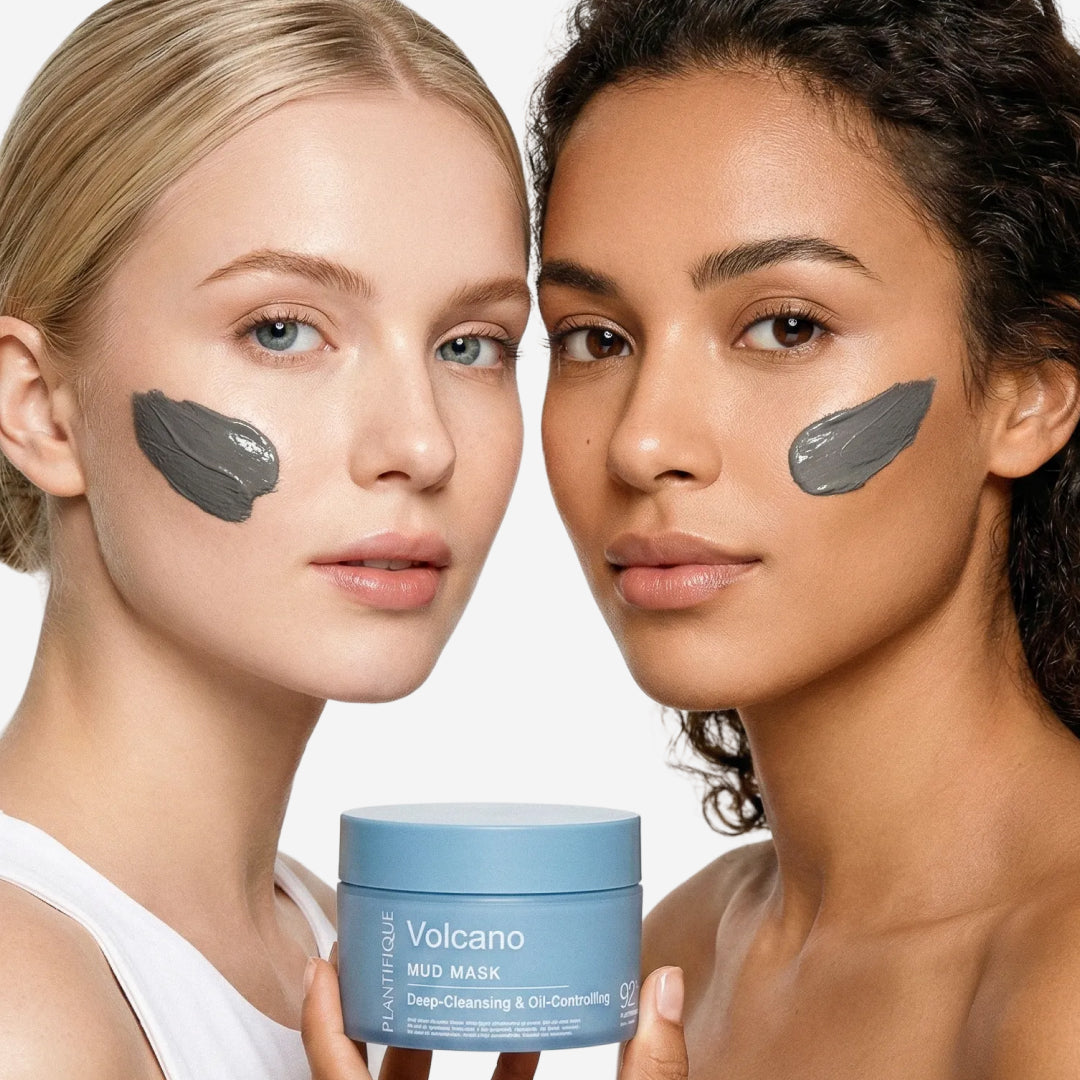
Ready to try it? The Volcano Mud Mask is formulated with mineral-rich volcanic mud for deep cleansing without over-drying. Follow the 10-15 minute rule, moisturize after, and use weekly for best results.
Read more
Your eyes are the first thing people notice about you. But they're also usually the first place to show signs of tiredness, stress, and aging. Dark circles, puffiness, fine lines around the eyes, a...
You're standing in front of two different foot masks, both promising softer, healthier-looking feet. One is a bootie soaked in exfoliating acids. The other is soaked in moisturizing serum. They loo...