

Superfood Skincare: What It Is & Why Your Skin Needs It (It's Not Just Marketing)
"Superfood" is one of those words that gets thrown around until it loses all meaning. Superfoods for breakfast. Superfoods for energy. Superfoods for longevity. At some point, we all just started eating kale and calling it medicine.
But here's the thing: when it comes to skincare, the superfood concept is actually legit. Not in a "this one ingredient will cure all your skin problems" way. But in a "these ingredients have been used for centuries because they actually work and they're backed by science" way.
Let's talk about what superfood skincare actually is, why it matters, and why you should probably be paying attention to it.
The Superfood Skincare Thing Isn't New (But It Is Trending)
Before we go further, let's be clear: superfood skincare isn't a recent invention. People have been using plant-based ingredients on their skin since, well, forever. Ancient Egyptians used oils and plant extracts. Traditional Chinese medicine has been using botanical ingredients for thousands of years. Ayurveda has entire skincare philosophies built around plant power.
What's new is that we're finally giving this approach a fancy name and a PR campaign.
Superfood skincare simply means using ingredients that are nutrient-dense and beneficial for skin. Usually these are ingredients that are also nutritious when you eat them (hence "superfood"). Think vitamin C from kakadu plums, antioxidants from turmeric, or hydrating properties from avocado oil.
The difference between superfood skincare and regular skincare is mostly philosophical. Regular skincare might use a synthetic version of an ingredient. Superfood skincare uses the whole plant extract or a naturally derived version, which comes with multiple beneficial compounds, not just one isolated active ingredient.
Your skin doesn't care about your skincare philosophy, but it does care about what you put on it. And nutrient-dense plant ingredients tend to deliver results.
Why Your Skin Actually Benefits from Superfood Ingredients
Here's where we get into the boring-but-important part: why these ingredients work.
Let's use turmeric as an example. Turmeric is a superfood. People eat it in curries and lattes. But turmeric also has curcumin, a compound with anti-inflammatory properties. When you apply it to your skin, that anti-inflammatory action helps reduce redness, even out skin tone, and calm irritation.
The same goes for vitamin C. When you eat an orange, you're getting vitamin C that supports your immune system. When you use a vitamin C serum on your face, you're getting an antioxidant that brightens skin, protects against environmental damage, and supports collagen production.
Superfood skincare works because these ingredients come with multiple beneficial compounds. It's not just the vitamin C. It's also the bioflavonoids. It's not just the turmeric. It's also the essential oils and other plant compounds that work synergistically.
Plus, there's a trust factor. We know these ingredients are safe because people have been using them on their skin (and eating them) for centuries. There's a long history of safety data. You're not being a guinea pig for some new synthetic chemical. You're using something that's been tested by time.
The Plant Power Angle: It's Actually About Sustainability
Here's something that doesn't get talked about enough: superfood skincare is often more sustainable than conventional skincare.
A lot of conventional skincare relies on synthetic ingredients that require energy-intensive manufacturing processes. Superfood skincare relies on plants that grow in soil, require water and sunlight, and can be harvested and processed in ways that don't require petroleum byproducts.
This doesn't mean every plant-based skincare product is sustainable. Some are. Some still use problematic practices. But the philosophy of using ingredients from food sources is inherently more aligned with sustainability than the philosophy of creating everything in a lab.
If you care about what you put on your skin and what you're putting into the planet, superfood skincare is worth paying attention to.
What Makes a Superfood Skincare Product Actually Good
Not all superfood skincare is created equal. Some brands slap "superfood" on a product and charge a premium price without actually changing the formulation.
Here's what to look for:
Recognizable ingredients. You should be able to look at the ingredient list and understand what most of the things are. If it reads like a chemistry experiment, it's probably not superfood skincare.
Sensible concentrations. A superfood ingredient only works if there's enough of it in the formula to be effective. Some brands use tiny amounts just so they can list it on the label. Look for ingredients listed in the first five items, which means they make up a significant portion of the product.
Complementary ingredients. The best superfood skincare products don't rely on one miracle ingredient. They combine multiple beneficial plant extracts that work together. Turmeric with ginger. Vitamin C with antioxidants. Hyaluronic acid with plant oils.
Honest claims. A good superfood skincare brand knows what their ingredients do and what they don't do. They won't claim a turmeric face mask will eliminate acne overnight. They'll say it helps reduce redness and supports a clearer complexion over time. Honesty is refreshing.
Actually good results. This is the real test. Does the product work? Are people seeing visible improvements in their skin? Are the reviews genuine? You can tell when a brand is relying on marketing hype versus actual efficacy.
The Difference Between Superfood Skincare and Greenwashing
Let's talk about the elephant in the room: a lot of brands use the word "superfood" as a marketing tactic without backing it up with anything.
Greenwashing is when a company markets itself as more environmentally friendly or sustainable than it actually is. Ingredient-washing (let's call it that) is when a company uses the word "superfood" to sound premium and natural without actually using quality ingredients or concentrations that matter.
How do you avoid this?
Read the ingredient list. Google the brand's sourcing practices. Check reviews from real people, not just influencers. See if the brand actually talks about why their ingredients are beneficial or if they just say "superfood" and expect you to fill in the blanks.
The brands doing this right are transparent about their ingredients, their sourcing, and their results. They're not hiding behind marketing language.

Vegan Superfood Skincare: Why It Matters
Here's where superfood skincare gets even more interesting: vegan versions.
A lot of traditional skincare relies on animal-derived ingredients. Lanolin from sheep's wool. Squalane from shark liver oil. Hyaluronic acid that's sometimes sourced from rooster combs. These ingredients work, but they require animal farming and extraction.
Vegan superfood skincare achieves the same results using plant-based alternatives. Plant-derived squalane instead of shark squalane. Vegan hyaluronic acid (yes, it's synthesized, but not sourced from animals). Plant oils instead of animal oils.
The interesting thing is that these plant-based alternatives are often better for your skin. They're lighter. They don't leave a greasy residue. They absorb better. And they come with additional beneficial compounds that animal-derived ingredients don't have.
So vegan superfood skincare isn't just ethically better. It's often functionally better too.
What to Expect from Superfood Skincare
If you're switching to superfood skincare, here's what's realistic:
It takes time. Most good skincare takes 4-6 weeks to show visible results. Superfood skincare is no different. You won't wake up tomorrow with glowing skin. But you'll gradually notice improvements in texture, tone, and overall skin health.
It might be gentler. Plant-based ingredients are often gentler than synthetic alternatives, which is good news if you have sensitive skin. But gentler doesn't always mean faster. It just means you're less likely to experience irritation along the way.
You might see better results long-term. Because superfood ingredients come with multiple beneficial compounds, you often see cumulative benefits over time. Your skin doesn't just look better in the moment. It actually becomes healthier.
It usually costs more. Quality plant ingredients are expensive. Good sourcing is expensive. Honest marketing is expensive. You're going to pay more for superfood skincare than for drugstore alternatives. Whether it's worth it is up to you.
Building a Superfood Skincare Routine
You don't need to overhaul your entire routine overnight. Start with one or two superfood products and see how your skin responds.
A simple starting point:
- A gentle cleanser with plant extracts
- A vitamin C or turmeric serum for targeted benefits
- A hydrating moisturizer with plant oils
- Sunscreen (this isn't superfood skincare, but it's essential)
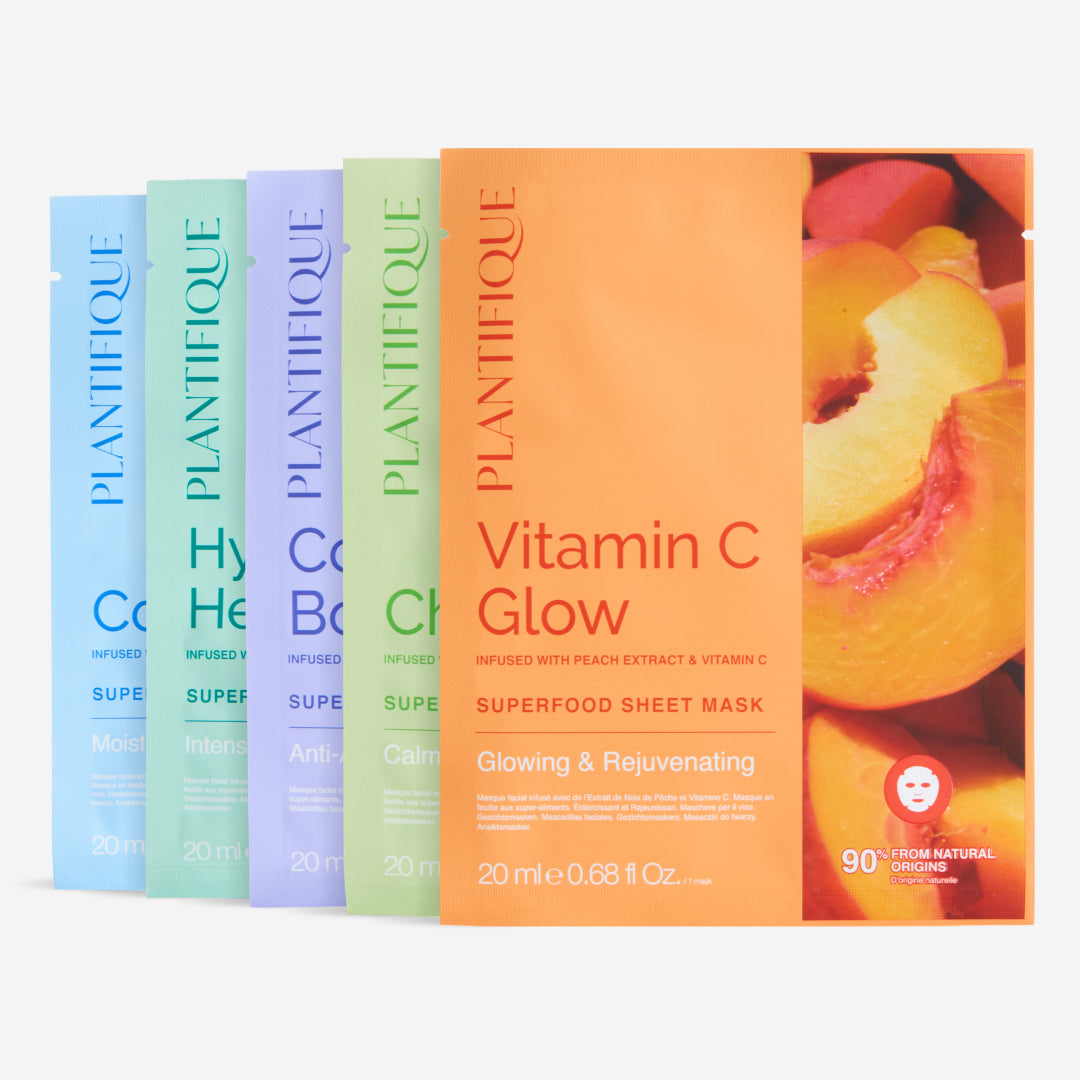
Once you see results with these basics, you can add more. Maybe a superfood sheet mask for weekly hydration. Maybe an exfoliating treatment with fruit acids. Maybe eye patches with antioxidants.
The key is consistency. Pick products you'll actually use and stick with them long enough to see results.
The Real Reason Superfood Skincare Matters
At the end of the day, superfood skincare matters because it represents a shift in how we think about taking care of our skin.
Instead of relying on one isolated synthetic ingredient, we're using ingredients that our skin has been familiar with for millennia. Instead of harsh chemicals and questionable sourcing, we're choosing plant power. Instead of quick fixes, we're building sustainable routines that actually support long-term skin health.
Is superfood skincare the only way to get good skin? No. Plenty of people have beautiful skin using conventional products.
But if you want skincare that's effective, sustainable, and actually good for your skin long-term? Superfood skincare is worth exploring.
Your skin is smart. It's been managing itself for your whole life. Give it the right tools – the nutrient-dense, plant-powered, genuinely beneficial tools – and it knows what to do.
Read more

You know that moment when you realize your feet look like they've been through a desert drought? The cracked heels, the calluses that have developed their own calluses, the general vibe of "I haven...

You notice it in the mirror. A spot darker than the rest of your skin. Maybe it's on your cheek. Maybe it's on your nose. Maybe it's a cluster of them, scattered across your face like a map of sun ...