

Niacinamide: The Ingredient Quietly Fixing Everything You've Been Frustrated About
Enlarged pores that never seem to shrink. Dark spots that show up after a breakout and just stay. Skin that looks oily in some spots and flaky in others, like it can't decide what it wants to be. If any of that sounds familiar, there's a good chance the ingredient your routine has been missing is niacinamide.
It doesn't have the dramatic reputation of retinol or the citrusy buzz of vitamin C, but niacinamide might be the single most versatile ingredient in skincare right now, and for good reason. It works quietly, addresses multiple problems at once, and rarely causes the irritation that comes with more aggressive actives.
Here's what niacinamide actually is, what it does, and why it's earned a permanent spot in so many routines.
What Niacinamide Actually Is
Niacinamide is a form of vitamin B3, one of the most well-studied and versatile ingredients in skincare. Unlike many trendy ingredients that show up with big promises and thin evidence, niacinamide has decades of research behind it, and it consistently delivers on what it claims.
What makes it stand out is its range. Most active ingredients are specialists, retinol focuses on cell turnover, vitamin C focuses on brightening and antioxidant protection, hyaluronic acid focuses on hydration. Niacinamide works across nearly all of these categories simultaneously, which is part of why it's become such a foundational ingredient in modern formulas.

What Niacinamide Actually Does for Your Skin
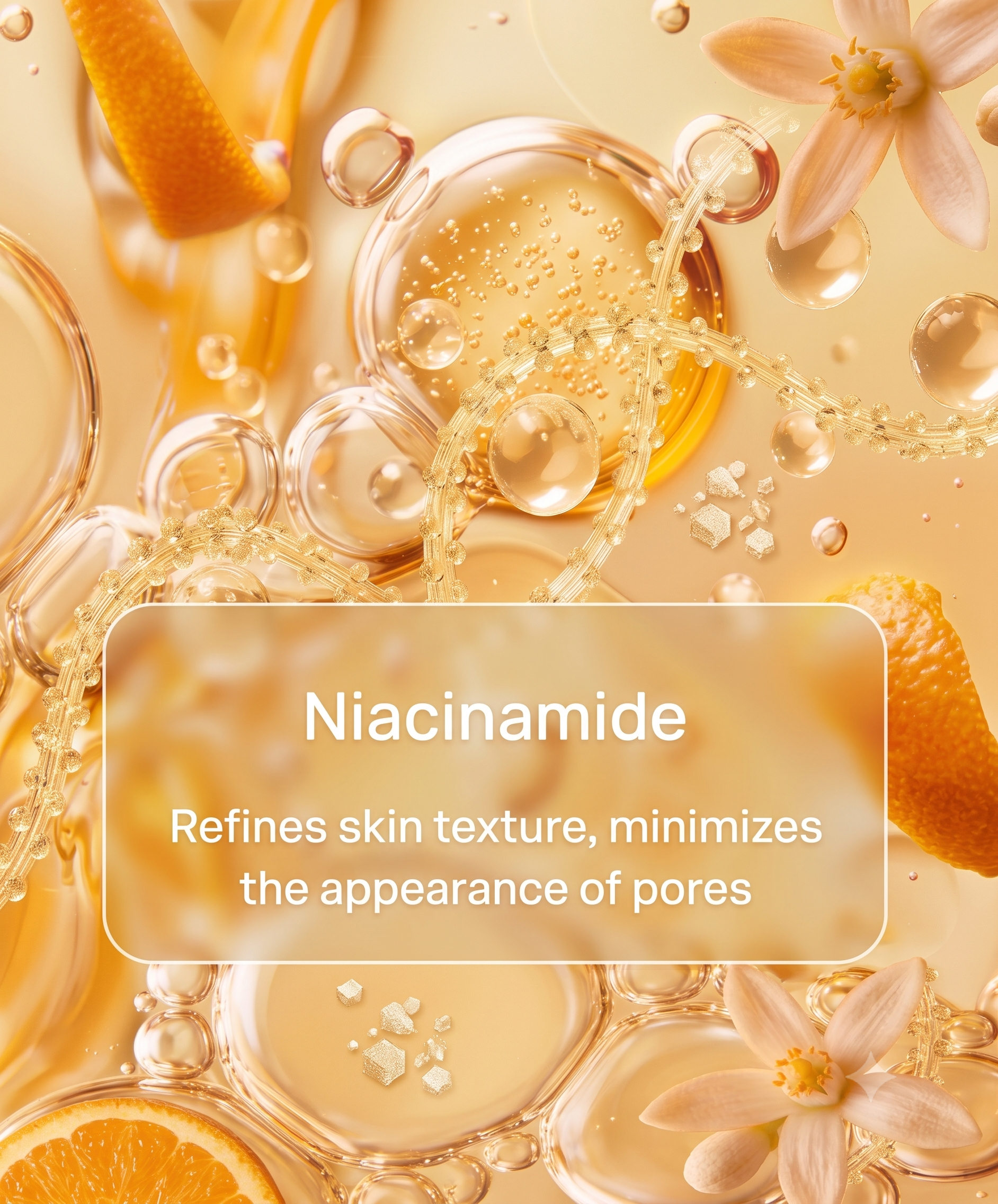
Refines the appearance of pores. This is one of niacinamide's most requested benefits, and it delivers. By helping regulate oil production and supporting the skin's structure around the pore opening, niacinamide can make pores look visibly smaller and less prominent over consistent use.
Fades dark spots and evens out tone. Niacinamide works by interrupting the transfer of pigment (melanin) to the surface of your skin, which means it can genuinely help fade the appearance of dark spots, post-breakout marks, and general unevenness over time.
Strengthens your skin barrier. This benefit gets overlooked, but it matters enormously. Niacinamide helps support your skin's natural barrier function, which is your first line of defense against irritation, moisture loss, and environmental damage. A stronger barrier means skin that's more resilient overall.
Balances oil production. If your skin swings between oily and dry, or if you deal with a shiny T-zone alongside dry patches elsewhere, niacinamide helps regulate sebum production, bringing your skin closer to genuine balance rather than overcorrecting in either direction.
Calms redness and inflammation. Niacinamide has anti-inflammatory properties, which makes it genuinely helpful for reducing the look of redness, whether from acne, sensitivity, or general irritation.
Supports collagen production. With consistent use, niacinamide can support your skin's natural collagen production, contributing to firmer, more resilient-looking skin over time.

Why It Works for So Many Skin Concerns at Once
Here's the thing that makes niacinamide genuinely unique: most of these benefits stem from the same underlying mechanism. By supporting your skin barrier and regulating cellular processes, niacinamide creates conditions where your skin can function more effectively across the board. Better barrier function means less water loss, which means better hydration. Better regulated oil production means fewer clogged pores. Reduced inflammation means less visible redness and fewer new dark spots forming.
It's not treating five separate problems with five separate mechanisms. It's supporting your skin's overall function, which shows up as improvement across multiple visible concerns.
How Niacinamide Compares to Other Popular Actives
Niacinamide vs. Retinol: Retinol accelerates cell turnover and is powerful for fine lines and texture, but it often comes with irritation, sun sensitivity, and a purging period. Niacinamide is far gentler and can actually be used alongside retinol to help offset some of its irritating effects.
Niacinamide vs. Vitamin C: Both address dark spots and tone, but through different mechanisms. Vitamin C is a stronger antioxidant and works faster on brightening, but can be less stable and sometimes irritating for sensitive skin. Niacinamide is gentler, more universally tolerated, and works well as a long-term maintenance ingredient. Many routines use both together for a more comprehensive approach.
Niacinamide vs. Salicylic Acid: Salicylic acid exfoliates and clears pores directly. Niacinamide doesn't exfoliate, but it helps regulate the oil production that leads to clogged pores in the first place. They can work well together, with niacinamide supporting the skin barrier while salicylic acid handles surface-level exfoliation.
The reason niacinamide pairs so well with almost everything comes down to its gentle nature. It rarely conflicts with other actives the way some stronger ingredients can.
Who Should Use Niacinamide
Almost everyone benefits from niacinamide, but it's especially valuable if you're dealing with:
- Visible pores that feel like nothing shrinks them
- Dark spots or post-breakout marks that linger
- Oily skin combined with dehydration or dry patches
- Redness or general skin sensitivity
- Early signs of dullness or uneven texture
- A desire for a gentle, foundational active that won't cause irritation
Because it's so well-tolerated, niacinamide is often recommended as one of the first active ingredients to introduce into a routine, especially for people newer to actives or with sensitive skin.
How to Actually Use Niacinamide for Best Results
Apply to clean, dry skin. Niacinamide typically comes in serum form, applied after cleansing and before moisturizer.
Layer it correctly. If you're using niacinamide alongside other actives, apply lighter, water-based formulas first, then heavier serums, finishing with moisturizer. Niacinamide generally plays well with almost everything, so layering conflicts are rare.
Be consistent. Niacinamide is a slow, steady worker. You won't see dramatic overnight results, but with consistent daily use, most people notice improvements in pore appearance and tone within 3 to 4 weeks, with continued improvement over 8 to 12 weeks.
Use it morning and night. Unlike some actives that are only recommended for evening use, niacinamide is gentle enough for both AM and PM application, making it easy to build into a twice-daily routine.
Don't skip your moisturizer or SPF. Niacinamide supports your barrier, but it works best alongside proper hydration and sun protection, not as a replacement for either.

What Results You Can Actually Expect
Within the first 1-2 weeks: Skin often starts to feel more balanced. If you deal with oiliness, you may notice less midday shine. Redness may start to look calmer.
Within 3-4 weeks: Pores typically start to look visibly smaller and less prominent. Overall texture often feels smoother.
Within 8-12 weeks: This is when the more significant changes in dark spots, tone evenness, and overall skin resilience become clear. Niacinamide is a cumulative ingredient, meaning its benefits build steadily with consistent use rather than delivering everything upfront.
The Bottom Line
Niacinamide has earned its reputation honestly. It's not chasing a trend, it's backed by real, consistent research, and it addresses an unusually wide range of concerns without the irritation that comes with more aggressive actives. Pores, tone, oil balance, barrier strength, redness, it touches all of it, quietly and consistently, one application at a time.
If your routine has been missing a foundational ingredient that actually delivers without demanding much in return, niacinamide is very likely it.
Ready to add it to your routine? The PDRN Niacinamide 10% Face Serum combines a potent 10% niacinamide concentration with tranexamic acid and Phyto-PDRN, targeting dark spots, uneven texture, and enlarged pores while supporting your skin's natural resilience.
Read more

Dull. Tired. Uneven. If you've ever looked in the mirror after a stressful week, a poor night's sleep, or one too many days without sunscreen and felt like your skin just looked flat, vitamin C is ...
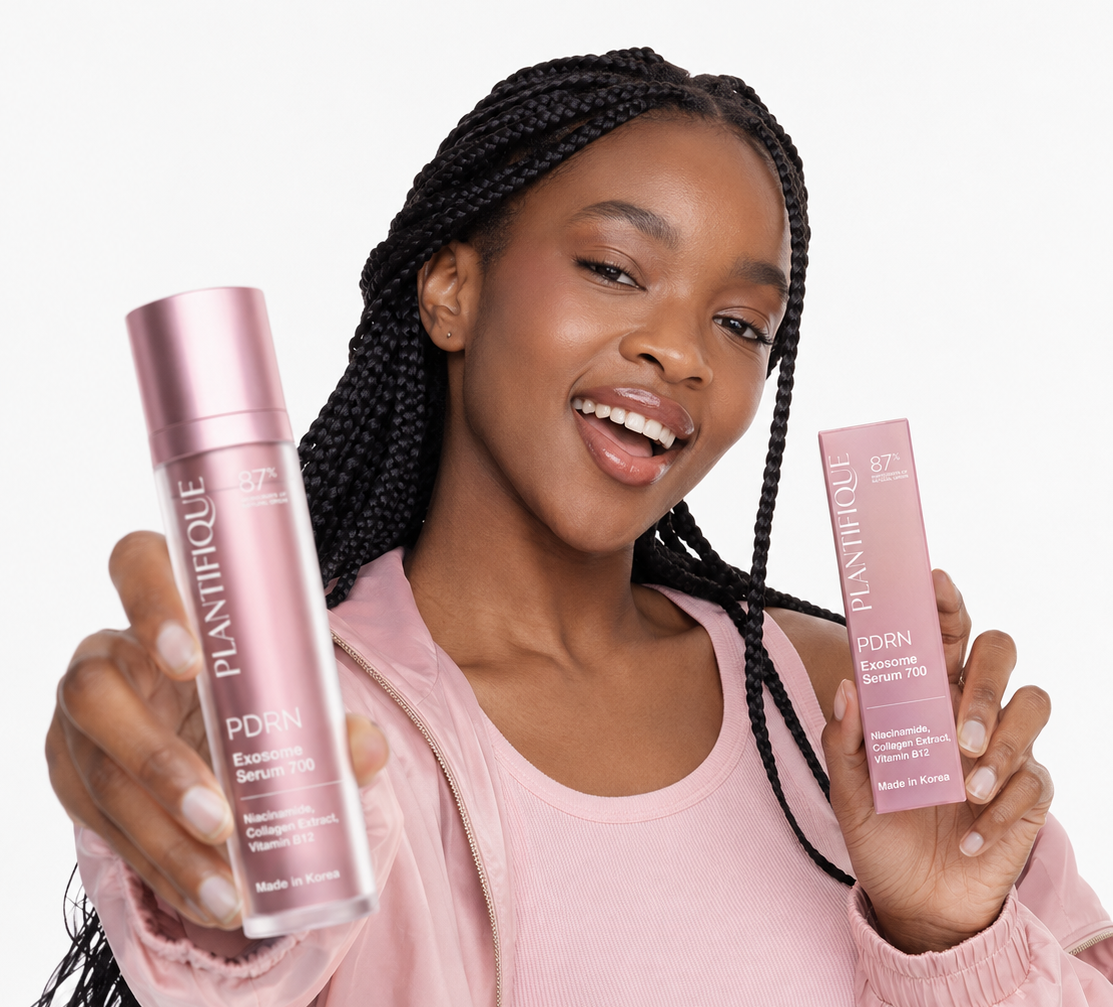
You've decided you want PDRN and exosome technology in your routine. Good choice. But now you're staring at two options that sound almost identical: the Serum 700 and the Ampoule 1500. Same core in...