
Is Your Skin Thirsty? Here's How to Actually Tell (And What to Do About It)
Dry skin and dehydrated skin get used interchangeably, but they're not actually the same thing. And if you've been treating dehydrated skin like it's dry skin, or the other way around, there's a good chance your routine has been fighting the wrong problem this whole time.
Here's the distinction that actually matters: dry skin lacks oil. Dehydrated skin lacks water. You can have oily skin that's also dehydrated. You can have naturally dry skin that's well hydrated. They're two separate issues, and treating one when you actually have the other explains why so many people feel like nothing in their routine is really working.
If your skin has been feeling tight, looking dull, or just generally "off" no matter what you put on it, here's how to figure out what's actually going on, and what genuinely helps.
The Signs Your Skin Is Dehydrated, Not Just Dry
It feels tight, even after moisturizing. If you apply a rich cream and your skin still feels tight an hour later, that's a strong sign the issue is water, not oil. Oil-based products can't fully solve a hydration problem on their own.
It looks dull rather than flaky. Dry skin often shows visible flaking or rough texture. Dehydrated skin tends to look flat, tired, and lackluster, even if the texture itself feels relatively smooth.
Fine lines look more pronounced than usual. Dehydration makes fine lines and texture more visible because the skin lacks the plumpness that water provides. This is different from deeper wrinkles related to aging or sun damage.
Your skin feels tight after cleansing and stays that way. This is one of the clearest signals. If cleansing leaves your skin feeling stripped and tight for an extended period, rather than just briefly before your next product, your skin's water balance is likely off.
Products seem to sit on top instead of absorbing. When skin lacks adequate water content, it can struggle to properly absorb the products you're applying, leading to that frustrating feeling of everything just sitting on the surface.
What Actually Causes Dehydrated Skin
Dehydration can affect any skin type, oily, dry, combination, or sensitive, because it's about water content rather than oil production. Common causes include:
Environmental factors. Cold weather, dry indoor heating, air conditioning, and low humidity all pull moisture from your skin.
Over-cleansing or harsh products. Stripping cleansers, too-frequent exfoliation, or products with high alcohol content can disrupt your skin's ability to retain water.
Not drinking enough water. While topical hydration matters most for your skin's surface, overall hydration does play a supporting role in your skin's health.
Skipping hydrating steps in your routine. If your routine goes straight from cleanser to moisturizer without any dedicated hydrating step in between, you may be missing the water-replenishing layer your skin actually needs.
Certain medications or health conditions. Some medications and underlying health factors can affect your skin's natural hydration levels, which is worth considering if dehydration feels persistent despite a solid routine.

Why Moisturizer Alone Isn't Always the Answer
This is the part that trips people up. When skin feels tight or looks dull, the instinct is to reach for a richer, heavier moisturizer. But moisturizer primarily works by sealing in moisture and preventing water loss, it doesn't necessarily add much water to your skin in the first place.
If your skin lacks water, you need products that actually deliver hydration (like hyaluronic acid, glycerin, and other humectants) before you seal it in with moisturizer. Piling on a heavy cream without addressing the underlying water deficit is like putting a lid on an empty pot, it looks like you're doing something, but there's nothing underneath to actually hold onto.
Building a Routine for Genuinely Thirsty Skin
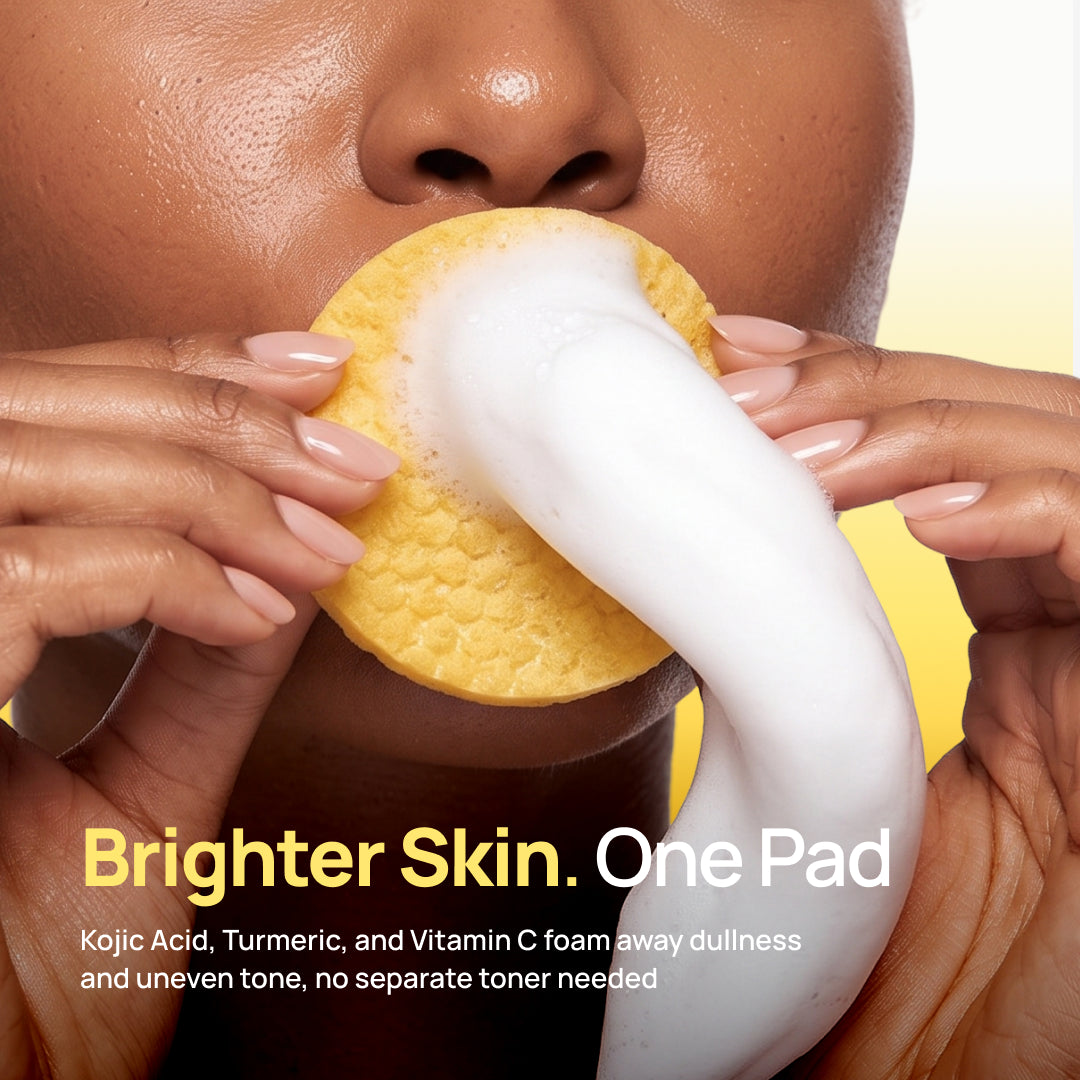
Start with a hydrating toner or essence. This step delivers a layer of actual water-based hydration to your skin before anything else, setting the foundation for everything that follows.
Layer in a hydrating serum. Look for ingredients like hyaluronic acid, which draws water into the skin, or PDRN and rice extract-based formulas, which support both hydration and your skin's natural barrier function.
Follow with a moisturizer that actually locks it in. This is where sealing ingredients like ceramides come in, helping to prevent the water you just added from evaporating back out.
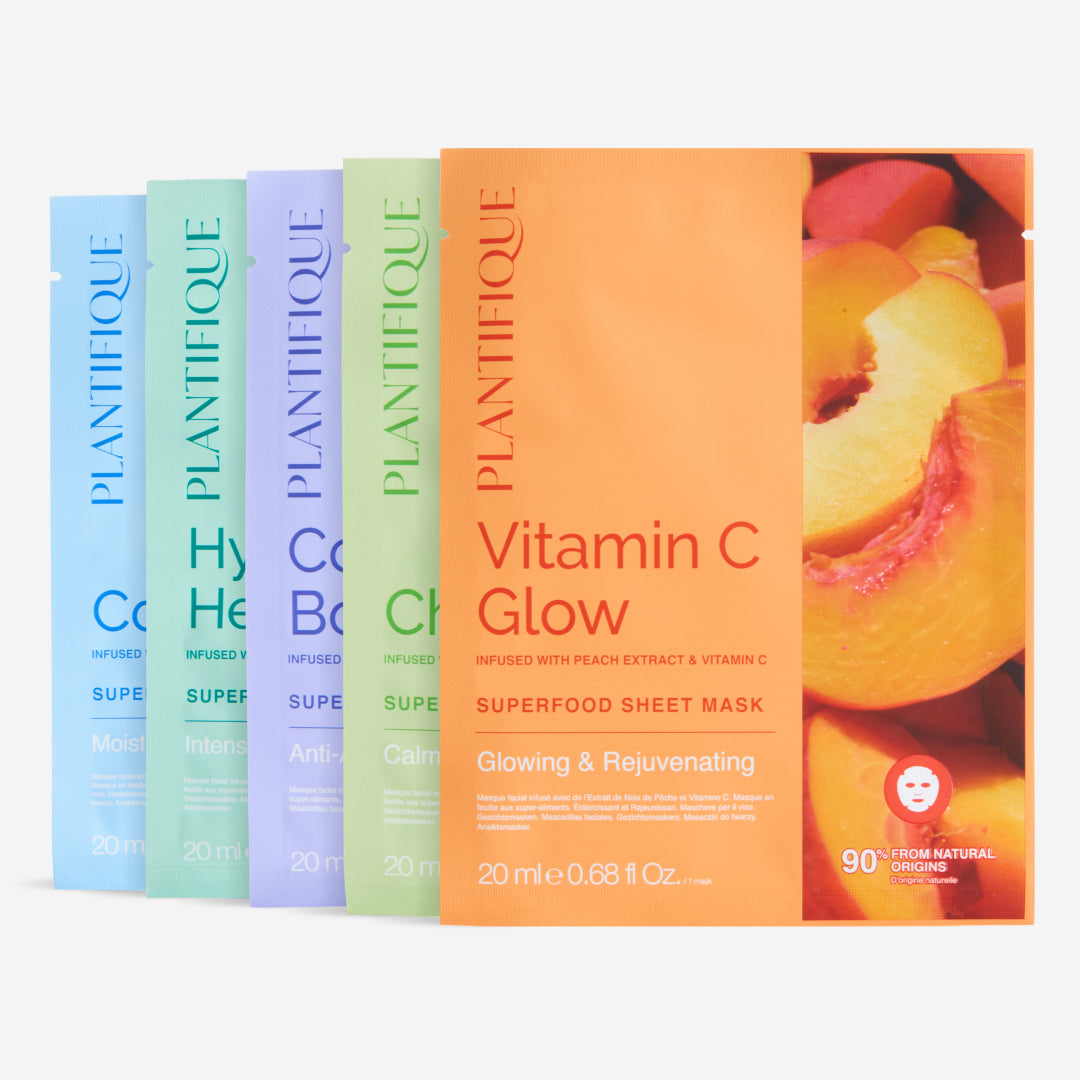
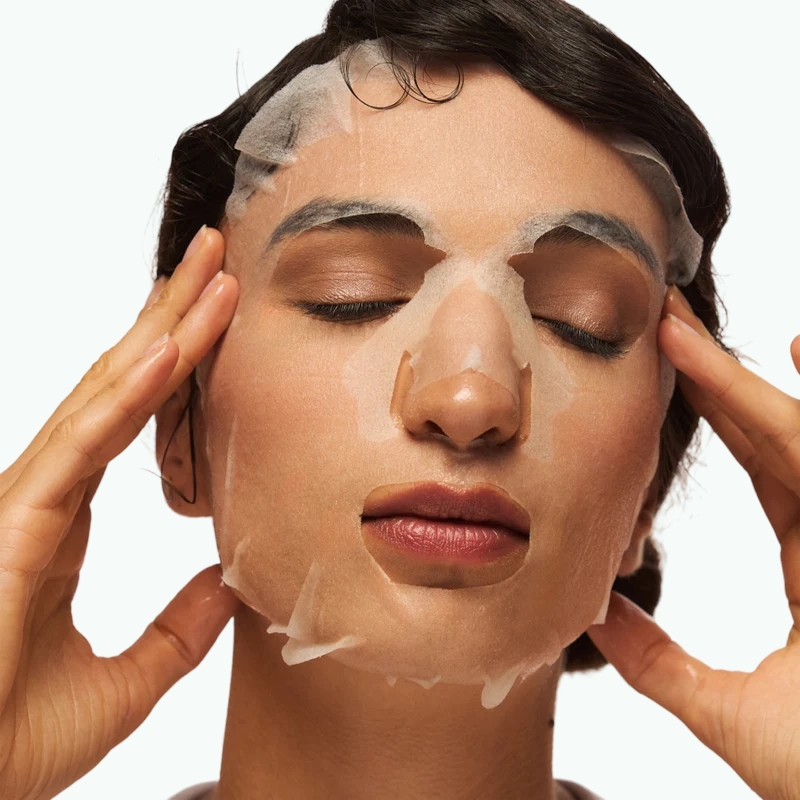
Add a weekly hydrating mask. For an extra boost, a hydrating sheet mask or hydrogel mask delivers a more concentrated, intensive dose of hydration that goes beyond what your daily routine provides.
Don't skip SPF. Sun exposure accelerates water loss from your skin, so consistent sun protection is part of maintaining your skin's hydration over the long term, not just an anti-aging step.

A Simple Routine Example for Dehydrated Skin
Morning:
- Gentle cleanser (avoid anything stripping or foaming aggressively)
- Hydrating toner, patted in
- Lightweight hydrating serum
- Moisturizer
- SPF
Evening:
- Cleansing balm to remove the day's buildup, followed by a gentle second cleanse if needed
- Hydrating toner
- A more intensive hydrating serum or treatment
- Richer night moisturizer
1-2 times weekly: A hydrating sheet mask or hydrogel mask for an extra, more concentrated boost.
Signs Your Routine Is Actually Working
Give any new routine a few weeks before judging results, since hydration improvements build gradually. You'll know it's working when:
- Your skin no longer feels tight shortly after cleansing
- Fine lines and texture look softer and less pronounced
- Your complexion looks brighter and more awake, rather than flat or dull
- Products absorb more easily instead of sitting on the surface
- That persistent, nagging feeling of "my skin just feels off" starts to fade

The Bottom Line
Dehydrated skin is genuinely common, and it's often mistaken for dryness, sensitivity, or just "getting older." But once you understand the difference between lacking oil and lacking water, addressing it becomes a lot more straightforward. The right combination of hydrating, water-replenishing products, followed by proper sealing with moisturizer, is what actually resolves that tight, dull, thirsty feeling.
Ready to give your skin what it's actually been missing? Explore Plantifique's Thirsty Skin Saviors collection, curated specifically for skin that needs real, lasting hydration, not just another layer of product sitting on the surface.
Read more
Think about how many skincare products you've applied to your face this week. Now think about your hands. If the second number is a lot smaller, or maybe zero, you're not alone. Hands are one of th...
Some days your skin just looks like it's lost its bounce. Not necessarily dry, not necessarily broken out, just soft, slightly deflated, like it's missing that firm, supported quality it usually ha...