
Do I Need a Toner If I Already Use a Serum?
You're already applying a serum, so a toner feels redundant. Another liquid step, another product taking up space on your shelf, another minute added to a routine that's already getting long. It's a fair question: if your serum is doing the real work, what is toner actually adding?
Here's the honest answer: it depends on what kind of toner you're talking about, and what your skin actually needs. The old-school astringent toner your mom used to strip oil? Skip it. A modern hydrating toner? That's a different story entirely, and it's not doing the same job as your serum at all.

What Toner Used to Be (And Why It Got a Bad Reputation)
Old-fashioned toners were largely alcohol-based astringents, designed to strip excess oil and "close pores" after cleansing. They often left skin feeling tight and dry, which is exactly why so many people wrote off the entire category as an unnecessary, even counterproductive, step.
That reputation still lingers, but it's outdated. Most modern toners have shifted away from that stripping, alcohol-heavy formula entirely.
What a Modern Toner Actually Does
A hydrating toner today serves a different purpose: it rebalances your skin right after cleansing and delivers a first layer of hydration before your serum goes on. Cleansing, even with a gentle formula, can leave your skin's pH slightly off balance and your skin surface a little dehydrated. A good toner addresses both of those things immediately.
Think of it as prepping the soil before you plant. Your serum is going to deliver concentrated active ingredients, but those ingredients work best when your skin is already calm, balanced, and holding some baseline hydration. Applying serum onto skin that's still tight and slightly dehydrated from cleansing means that serum has to work harder, and may not absorb quite as effectively.

So Does It Actually Overlap With Your Serum?
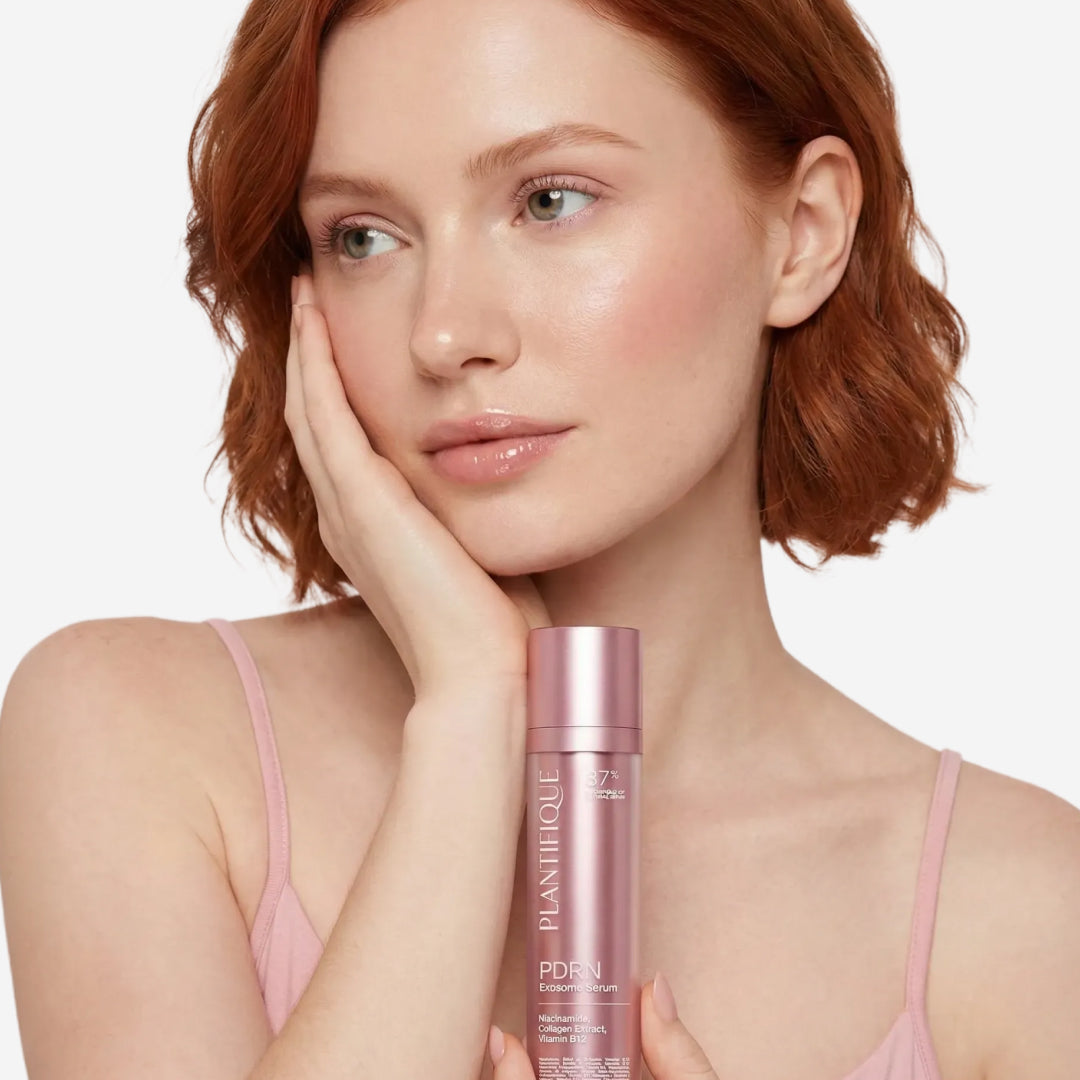
Not really, and here's why. Your serum is formulated to deliver concentrated active ingredients (vitamin C, niacinamide, PDRN, whatever your skin specifically needs) deep into your skin. A hydrating toner is formulated to deliver a lighter layer of water-based hydration and calm your skin immediately post-cleanse.
They're not competing for the same job. Your toner sets the stage. Your serum does the more targeted, concentrated work. Skipping the toner doesn't mean your serum works exactly the same, it just means your serum is starting from a slightly less prepared canvas.
When You Can Reasonably Skip It
If your skin is well-balanced, not particularly reactive, and your serum already includes hydrating ingredients like hyaluronic acid, you can absolutely get away without a dedicated toner step. Plenty of solid routines work perfectly well without one.
This is especially true if you're trying to keep your routine simple, and simplicity that you'll actually stick to consistently is always better than complexity you abandon after two weeks.
When It's Actually Worth Adding
If your skin feels tight, dull, or unsettled after cleansing. This is the clearest sign your skin could benefit from that immediate rebalancing step before anything else.
If you have reactive or easily irritated skin. A calming, hydrating toner gives sensitive skin a moment to settle before introducing active ingredients, which can reduce the chance of your serum feeling like too much too fast.
If your serum contains stronger actives. Applying a potent active ingredient serum directly onto freshly cleansed, slightly stripped skin can increase the chance of irritation. A hydrating toner in between softens that transition.
If you want your serum to absorb more effectively. Skin that's already hydrated tends to absorb subsequent products better than skin that's dry or tight.

How to Use Both Without It Feeling Like Extra Work
The order matters here. Cleanse, then toner, then serum, then moisturizer. The toner should be lightweight and quick to absorb, patted in gently rather than rubbed, so it doesn't slow down your routine or interfere with your serum's absorption.
A milky, lightweight toner formula, one built around rebalancing and hydrating rather than stripping, adds maybe fifteen seconds to your routine. In exchange, your skin starts every single application of your serum from a calmer, better-prepared baseline.
The Bottom Line
You don't strictly need a toner if your serum is doing enough on its own and your skin feels balanced without it. But a good, modern hydrating toner isn't redundant with your serum, it's doing a genuinely different job: calming and rebalancing your skin immediately after cleansing, so whatever comes next actually works better. If your skin tends toward tightness, dullness, or reactivity, adding one back into your routine is a small step with a real, noticeable payoff.
Curious what that step could look like? The PDRN Milky Rice Toner is formulated specifically for this purpose, calming reactive or unsettled skin and delivering hydration before your serum, without the stripping, tightening effect old-school toners were known for.
Read more
You wash your face every night, but does it actually feel clean? Not just rinsed, actually clean, the kind where your skin feels soft and comfortable, not tight and stripped. If your usual cleanser...
Somewhere between your cleanser and your serum, there's a step most people are skipping entirely, not because they don't want smoother, brighter, more even-looking skin, but because exfoliation alw...